8 Event Marketing Tips to Keep Your Venue Booked and Busy
In the leisure and tourism sector, occupancy and footfall are the ultimate metrics of success. Capturing the right audience at the peak of their planning cycle is what separates a premier destination from a quiet season.
A targeted Paid Search (PPC) strategy is your precision tool, acting as a magnet for high-intent traffic, from families scouting their next holiday park getaway to organisers planning large-scale sports tournaments and trade shows.
But don’t let it work in a silo; when you combine it with SEO and Paid Social, you create a multichannel marketing engine that maximises capacity and drives consistent revenue.
Here are 8 tips to ensure your venue stays at capacity, no matter the season:
1. Stop Guessing and Start Knowing Your Audience
Knowing your audience is the foundation of any event marketing campaign that actually works. If you’re trying to sell a metal festival to a jazz crowd, you’re just lighting money on fire.
Identify your core segments, be it family holidaymakers, corporate event planners, or sports touring groups. Tailoring your PPC campaigns to these specific segments ensures your ads reach the decision-makers who fill large-scale allocations, driving high-value enquiries rather than just casual clicks.
2. Write Ads That People Actually Want to Click
Generic ad copy is where budgets go to die.
To get results, you need to use high-intent keywords that describe exactly what your venue or attraction offers.
Your copy should do the heavy lifting by highlighting the immediate value of attending, whether that’s an “exclusive experience” they can’t get anywhere else or a “limited-time” early bird discount. By combining a clear, urgent CTA with a specific benefit, you turn browsers into confirmed bookings.
3. The Power of Multichannel Marketing
A “one-and-done” approach rarely works for complex booking journeys. A multichannel strategy ensures your brand stays top-of-mind from the initial inspiration phase on social media to the final transaction phase on Google.
Combine your Paid Search with SEO to dominate organic visibility visibility for destination-based searches. Use Paid Social (LinkedIn, Facebook, Instagram) to retarget users who viewed your 7-day stay packages or tournament entries but haven’t yet converted.
This integrated approach ensures a cohesive presence across every touchpoint.
4. Data = Continuous Improvement
If you aren’t tracking your data, you’re flying blind.
For large-scale operators, it is vital to keep a hawk-like eye on occupancy rates, lead quality, and conversion costs across every channel.
Use these analytics to ruthlessly refine your targeting. Data allows you to identify quiet periods in the calendar and launch aggressive campaigns to fill that capacity before it impacts your bottom line.
5. Automation: Your 24/7 Sales Team
PPC gets you through the door, and automation keeps them from walking out.
For venues, attractions and resorts, automation is essential for managing high-volume enquiries and nurturing leads through a long path to purchase.
Use marketing automation for personalised follow-ups, booking confirmations, and post-visit surveys. Whether it’s providing logistics for a sports tour or check-in details for a holiday park, automation turns one-time visitors into loyal, repeat partners.
6. Flaunt Your Success Stories
Large-scale clients buy from those with a proven track record. Showcase real-world examples of how your venue or attraction has successfully managed major footfall or complex events.
Sharing success stories and case studies builds immediate trust with organisers and stakeholders.
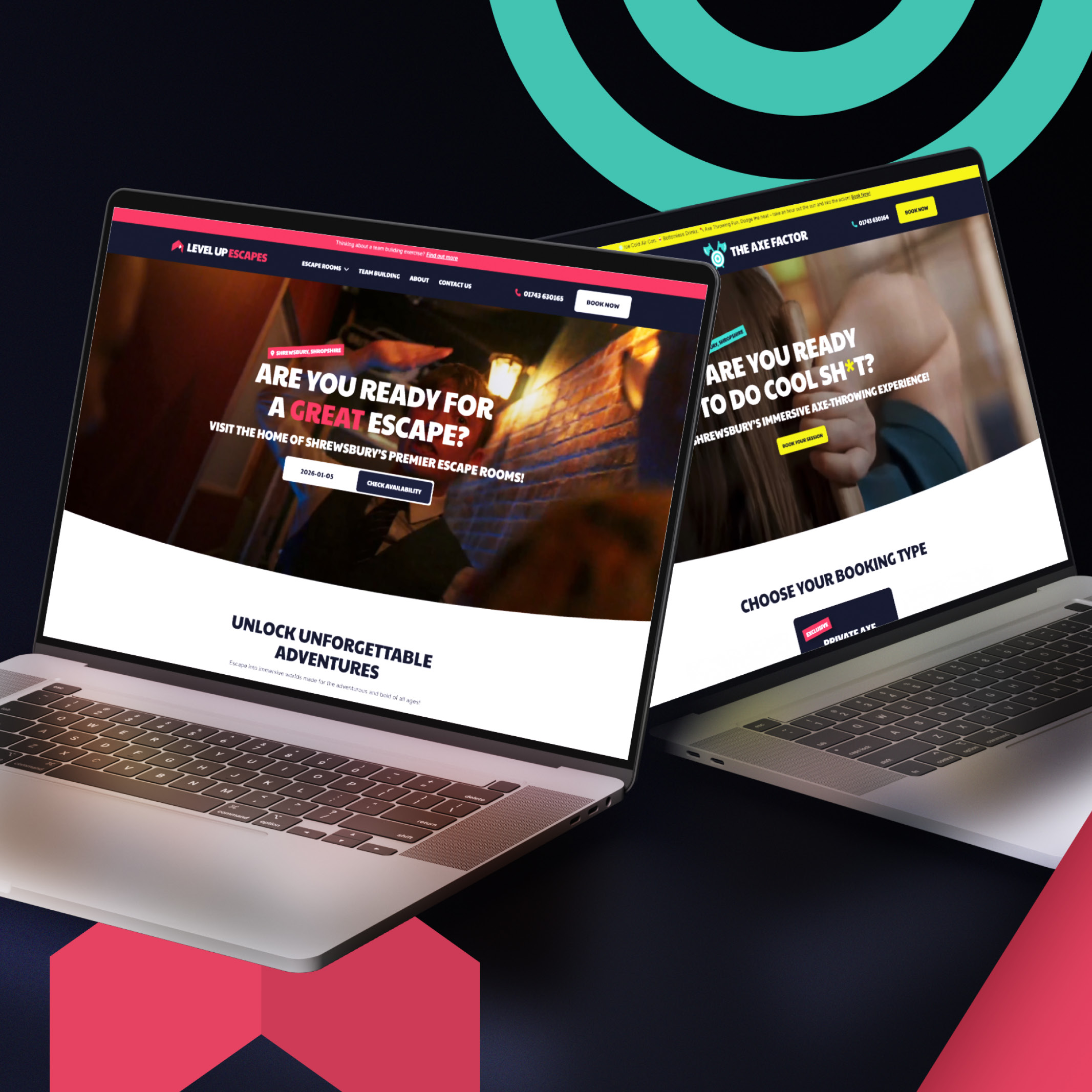
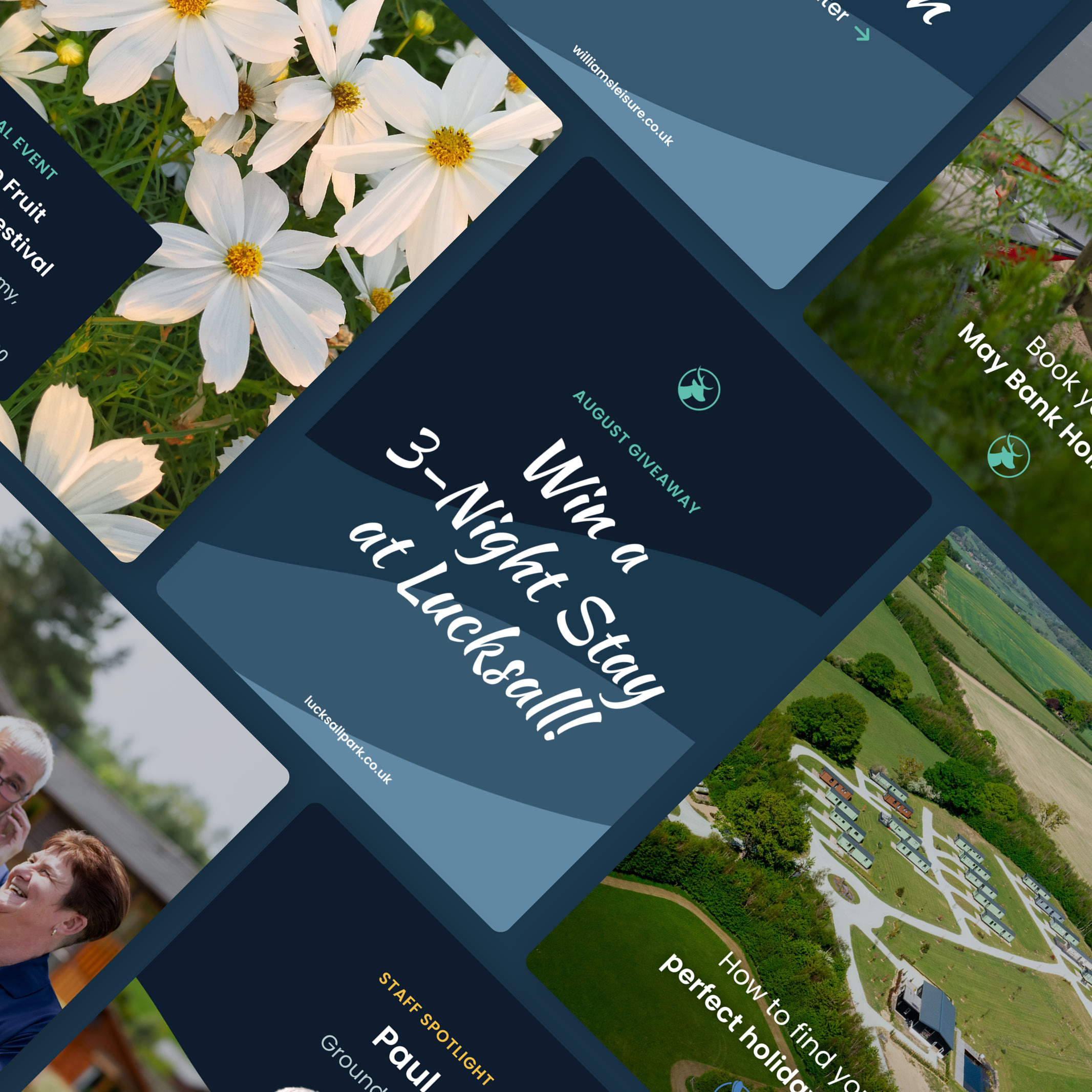
For a bit of inspiration, have a look at our Visit Shropshire case study to see how we used paid search to drive serious tourism numbers across an entire region.
7. Fix Your Leaky Bucket (Your Website)
You can have the best ads in the world, but if your booking engine is a nightmare, people will bail.
Your website must be a high-performing “conversion machine” capable of handling complex booking flows. Whether it’s a multi-person registration for a sports tournament or a dynamic booking engine for holiday stays, the experience must be slick and friction-free.
A seamless interface is the fastest way to increase bookings and capture qualified leads for future seasons.
8. Plan Thoughtfully and Stay Ahead of Trends
Marketing for major attractions requires looking six months down the line, not just six days.
Part of this future-proofing is ensuring your content and spend are seasonally relevant well in advance.
Your strategy should be securing corporate Christmas bookings in July and summer peak season stays in January. Staying ahead of the curve ensures your marketing always matches the planning mood of your audience, allowing you to maintain a competitive edge and maximise year-round success.
How We See It as a Marketing Agency
By implementing these strategies, operators build a sustainable pipeline of qualified leads. As an experienced events marketing agency and tourism marketing agency, we know that the goal remains consistent: stay booked, stay busy, and stay ahead.
Ready to stop shouting into the void and start capturing high-intent traffic? Explore our Paid Search solutions to see how we can elevate your event marketing lead generation.
Want to see it in action? Check out how we helped Visit Shropshire stay top-of-mind and fully booked.
Frequently Asked Questions
-
A Paid Search, or Pay-Per-Click (PPC), strategy is a digital marketing approach where advertisers bid on keywords to display ads on search engines like Google. When users search for those keywords, the ads appear prominently, driving high-intent traffic to your event or venue. This strategy helps target specific audiences actively looking for related services or experiences, making it a critical factor in attracting qualified leads and boosting event attendance.
-
Paid Search drives immediate traffic by targeting users actively searching for event-related keywords. SEO boosts organic visibility, attracting consistent long-term interest through optimised content. Paid Social Media engages audiences with targeted ads on platforms like Facebook and Instagram. Together, they create multiple touchpoints that increase event awareness, registrations, and lead generation through a unified marketing approach. Get in touch for a strategy session!
-
Event marketing focuses on promoting and executing events to engage audiences and achieve business goals, while event management involves the logistical planning and coordination of all the different elements that make an event successful.
Both are essential but serve distinct roles in creating a winning strategy.
-
Using multiple channels like email marketing, social media, and paid advertising ensures a broader reach and consistent messaging. This approach helps increase demand and draws more people to your event, all while supporting your business goals with clear, measurable outcomes.
-
Event marketers should focus on KPIs such as attendance rates, lead capture effectiveness, engagement levels, revenue generated, and progress toward specific event and business goals. Leveraging technology for data collection and analysis helps deliver comprehensive, measurable results.