7 Marketing Tips for Schools, Colleges, and Universities
Marketing for schools often feels repetitive, with staged photos and overused buzzwords that miss the real student experience.
To stand out, your marketing strategy has to have a focus on genuine campus life and prioritise connecting meaningfully with your audience.
We’ve compiled some education marketing tips and actionable insights to help your institution shine in a competitive market.
1. Scrap Your Current Marketing Strategy
A marketing strategy should make your work stand out. Staged photos, repetitive buzzwords, and a stagnant online presence are the surest ways to blend into the crowd. Following the same tired approach makes your institution just another face in the education market.
Scrap this idea, and take on a new marketing strategy.
2. An Education Marketing Strategy the REALLY works
We want to make sure the marketing strategies feel real. It’s about making the student feel engaged before they even step foot on campus.
The students that are already there – why are they there? Your strategy should reflect the audience you want to reach, so in this case it’s the eyes of prospective students. They want to see the student life they’ll be living, the campus they’ll live on – not the library books or lecture halls (that all comes later!)
When it comes to buzzwords, it is always repetitive. ‘Be the best you can be’. You’ve heard it a thousand times, but what does it really mean? An SEO strategy means the keywords you implement not only make sure your marketing is seen, but that it makes sense, drives your message and is there for a real reason, not just what sounds good to education boards.
3. Essential Tools for Building Relationships: Meet Your Audience Where They Are
Now you’ve got your strategy, you need to implement it.
The content, advice, media and information you are putting out should be meeting them where they already are. Whether that’s photos or video content of student life on Instagram, insightful advice for new student groups on Facebook or helpful ‘on the day’ information through email – find your audience and deliver the marketing straight to them.
4. Social Media: The Younger Generation’s Inbox
Social media is a brilliant way to show the authentic side of your education institution. Prospective students will be on social media, and likely showing their own campus life when they get there. So, join them!
Creating engaging, relevant content that reflects real student experiences. Encourage current students to share their stories and participate in ambassador programs, as peer-to-peer communication is one of the most trusted forms of marketing. Platforms like Instagram, TikTok, and Facebook offer opportunities to post short-form videos, live Q&A sessions, and behind-the-scenes glimpses that resonate with younger audiences.
At Reech, we specialise in organic social and paid social, where brands can truly come to life on the right platform. We take your brand DNA, tone of voice and existing platforms and post relevant, lively content that resonates and engages with the audience you’re targeting.
5. Email Marketing: Purposeful and Timely
Email marketing for education is as only as useful as you make it. Spam emails about irrelevant events or unhelpful information will put people off and ensure every email is disregarded as junk before it’s even opened.
An email strategy that connects the reader to the school at the right time in their journey will help the student gain information, feel understood and most importantly, act. For example, an email promoting an open day to a student who has already applied for their place is completely irrelevant. Instead, an email strategy that takes each user through the funnel is far more useful – where the student who has applied receives invites to societies or accommodation viewings. user experience, generate qualified leads, and position your company as a leader in the manufacturing sector.
6. Web: The Core Hub for Education Marketing
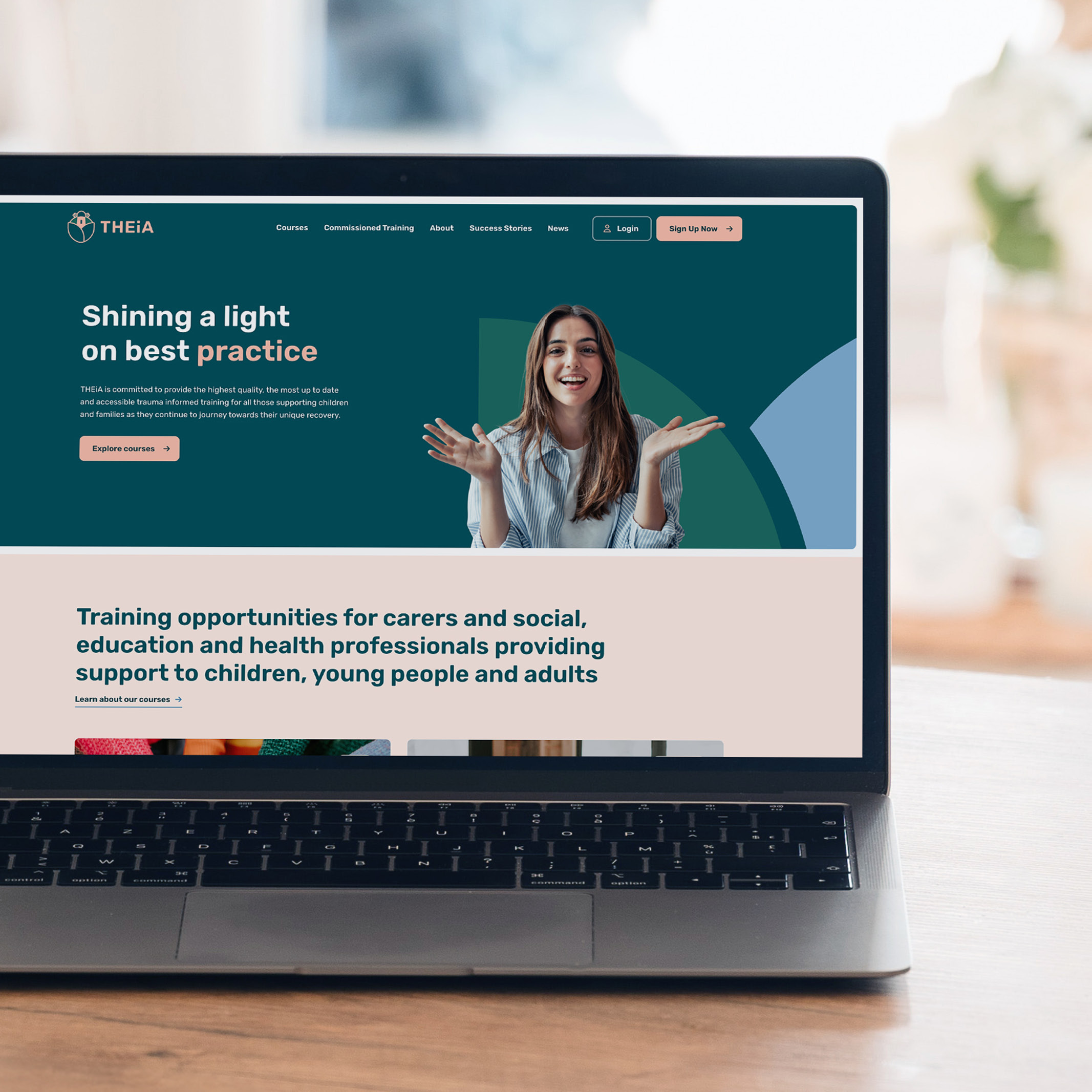
A bespoke website solution is a core of your education marketing. It’s the hub for all of your information. Every single student, and most parents, will see it – so it needs to look, feel and work well.
Essentially, all of your marketing efforts will lead a student to the website: to browse courses, suss out accommodation, and get a feel for student life. If a student cannot navigate your website easily, how will they navigate the halls?
7. Reach working with the sector
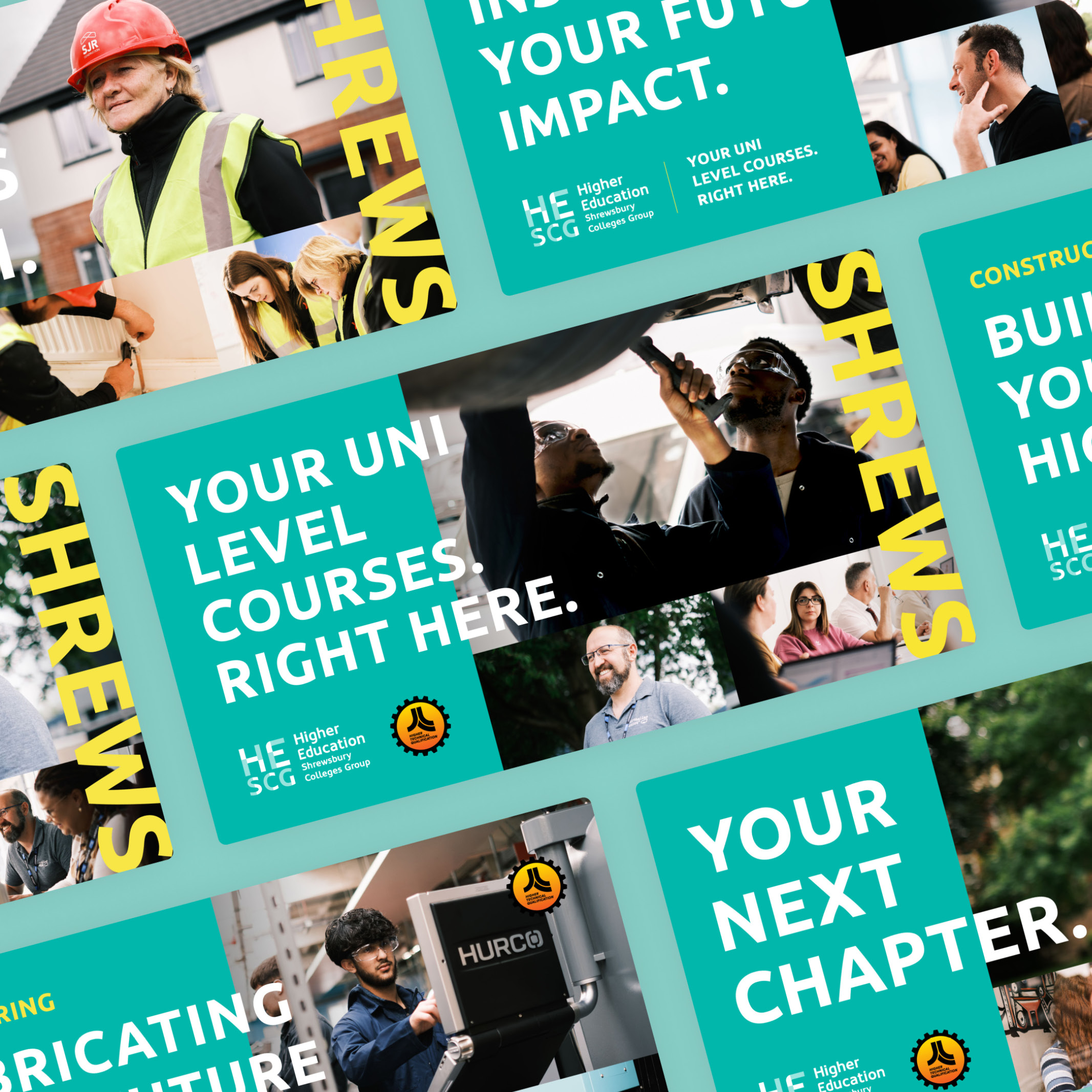
Our last tip is to reach out. We’ve got plenty of experience working in the education sector, from our work with Shrewsbury College Group to a new online presence for Marches Academy Trust.
Whether you’re after a long-term marketing strategy that actually works, or a new deck of material from Ste and our media team, we’re here!
Get in touch, or pop in for a cuppa.
Frequently Asked Questions
-
Creating authentic, student-generated short-form video content on platforms like Instagram Reels and TikTok, and fostering peer-to-peer communication with current students, helps build trust and buzz education. Additionally, as AI is becoming increasingly popular (especially with younger generations casual search), incorporating AI search optimisation ensures your content is easily discoverable by prospective students, enhancing your institution’s visibility and engagement in the digital landscape.
-
A compelling subject line ensures your email stands out in teachers’ inboxes and prospective parents’ inboxes, increasing open rates. While repetitive buzzwords can get lost in the sea of education marketing spam, a strong subject line angled towards to audience will more likely stand out. Testing different subject lines helps identify what resonates best with your target audience and supports effective communications – an ideal way to evolve your marketing strategy.
-
A well-designed website serves as the core hub for education marketing, providing prospective students and parents with essential information and a positive user experience. It reflects the institution’s brand and values while guiding visitors through their decision-making journey. Integrating AI tools into your website can personalise content based on visitor behaviour, deliver timely responses through chatbots, and optimise search results to increase visibility. This combination ensures your marketing is both professional and effective, helping to promote your institution and drive enrolment.
-
Postal marketing offers a tangible way to reach a specific audience, such as local families or community members, complementing digital efforts. Combining postal marketing with digital campaigns ensures comprehensive coverage and reinforces key messages at important dates. An example would be brochures with new student kits, posters at lower education institutions, an open day prospectus – all in line with your marketing strategy.
-
Virtual tours provide prospective students and parents with an immersive experience of campus life, helping them explore facilities and culture from afar. This personal touch can significantly influence enrolment decisions, especially when combined with interactive sessions involving current students and faculty. It is a brilliant way to combine your web strategy with the next step of a prospective students’ journey.
-
Storytelling is crucial in school marketing because it helps families connect with the institution on both professional and emotional levels. By sharing authentic stories about student experiences, school values, and community impact, schools can build trust and engagement. This approach makes marketing more relatable and memorable, ultimately supporting enrolment growth and enhancing the school’s reputation.