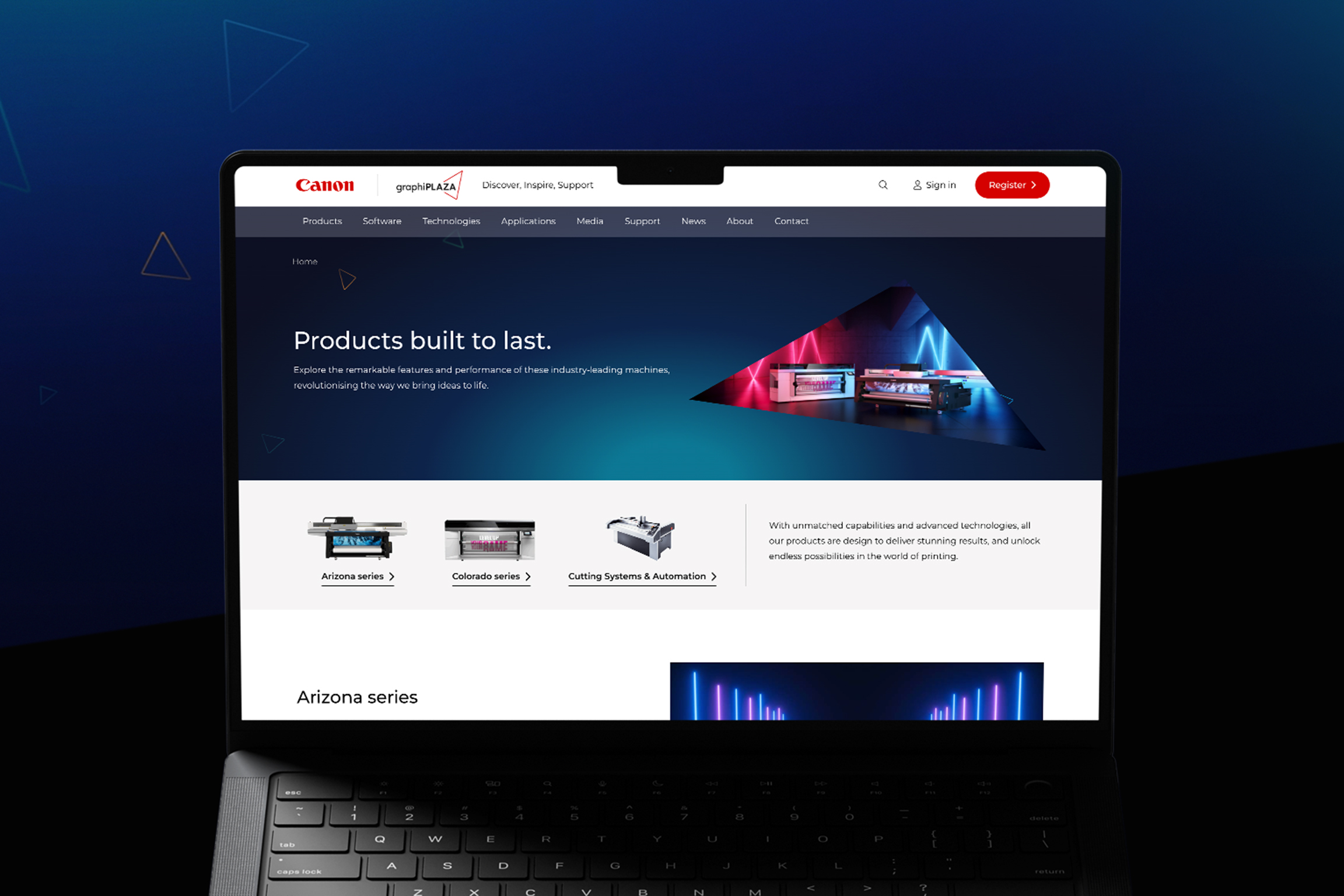
Why Your Manufacturing Website Needs a Strong Strategy
In the manufacturing sector, marketing isn’t about flashy campaigns or viral videos. It’s about credibility, technical precision, and relationship-building. Since leads are often B2B long sales cycles, the strategy has to be comprehensive and guided.
A well-developed website, backed by a strong marketing strategy, is the only way forward in the age of digital marketing.
From website design to SEO and content, a strong website can position your manufacturing business as an industry leader, drive enquiries and propel lead generation.
Manufacturing Marketing. Why is it Important?
Visibility. High search visibility is beneficial for brand awareness, associating the brand with being a thought leader in the industry.
Modern manufacturing businesses rely on an integrated surround sound strategy combining digital and offline channels. In short, leaflets pushed through doors will only take you so far. A digital marketing strategy can take you from a small manufacturing company limited to nearby customers to an industry leader with more qualified leads.
89% of B2B researchers will turn to the internet during their research phase, making digital presence crucial for manufacturers. A website is the starting point for a marketing strategy, and for B2B manufacturing companies, is the difference between visibility and invisibility.
Let’s break down a website strategy, from design to content, and everything in between.
1. Website Design For Business Growth
Website design is critical for lead generation because it directly impacts user experience, brand credibility, and conversion rates.
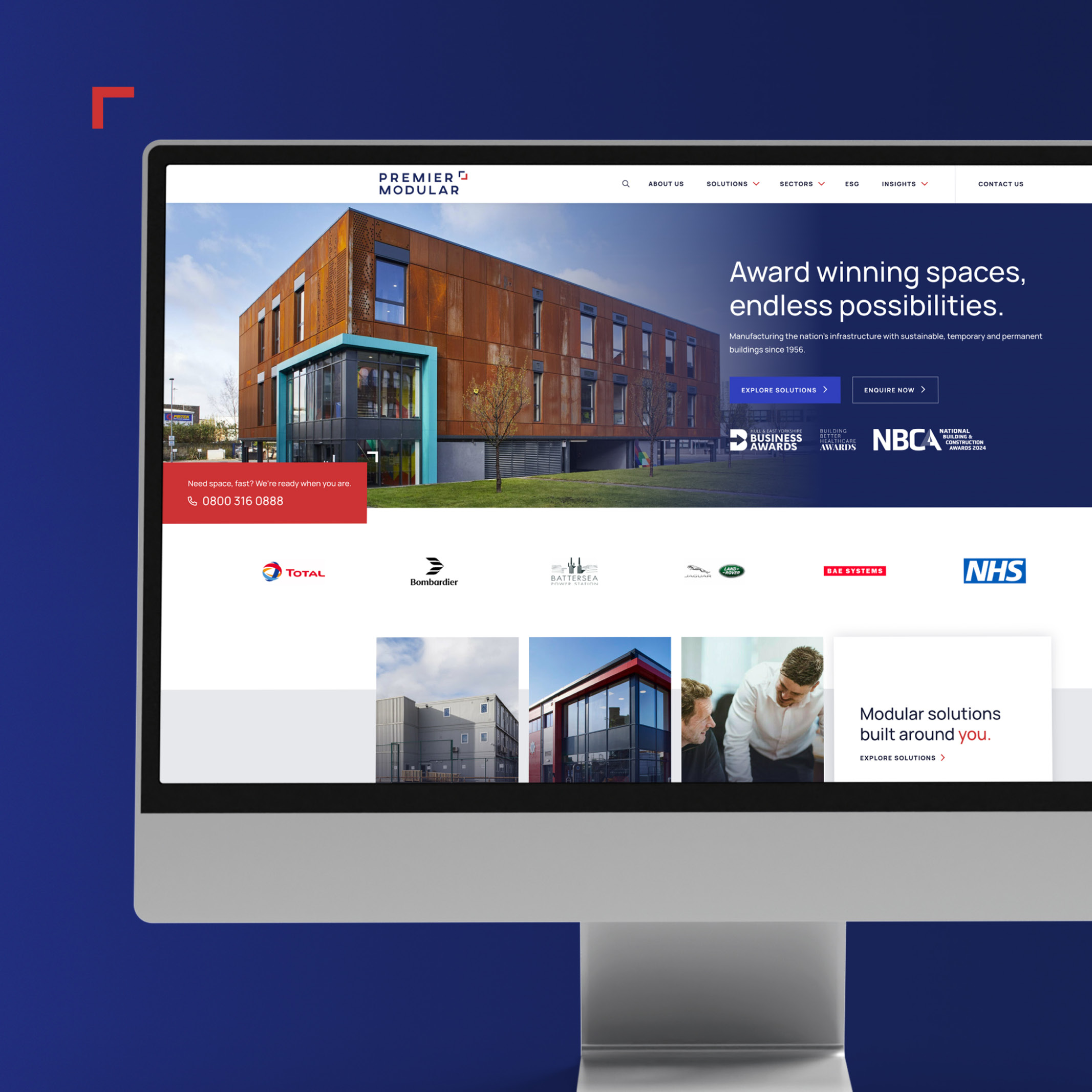
Manufacturing companies can transform their brand identity with their website design. It’s more than bright colours and team photos, it’s about target audience, site speed, technical fixes, key pages and creating an overall experience.
2. Manufacturing SEO Strategy
A solid SEO strategy drives targeted, more organic traffic to your website. Over 60% of B2B marketers said SEO generates more leads than any other marketing initiative.
SEO covers everything from keyword research, competitor analysis, backlinking, internal links and meta descriptions. We deep dive into How to Build AI & LLMs Into Your SEO Strategy, for all of you technical SEO buffs, but for now, here’s a brief SEO guide for a strong website:
- Backlinks: A high-quality backlink strategy helps manufacturing businesses stand out in a competitive B2B space and drive referral traffic by signalling to search engines that a manufacturing site is a trusted source.
- Keywords: Manufacturing companies should use both high-volume, moderate-competition relevant keywords and hyper-relevant long-tail keywords with few organic competitors. A tailored SEO strategy will improve search engine visibility.
3. Content Creation = More Leads
Manufacturers need to showcase their industry expertise through high-quality, technical content and thought leadership to improve SEO.
A strong SEO strategy for manufacturers goes beyond including a few keywords; it requires a technically sound site and high-quality content.
The Result?
When used together, a strategic website will improve brand visibility in search engines, heighten the user experience, generate qualified leads, and position your company as a leader in the manufacturing sector.

The Process For Manufacturing Companies
A strategically sound website doesn’t happen overnight. Digital audits, competitor analysis, site structure, thorough keyword research, SEO efforts, and content creation.
Research The Manufacturing Industry
Research is your best friend. Industry competitor analysis, personal strengths and weaknesses, and specific keyword rankings. Any data you can use provides insight into what works, where your potential customers are coming from, and other local SEO efforts.
Nailing your keyword research strategy means reaching potential leads looking to discover your products. Luckily for you, there is no shortage of both paid and free SEO tools that let you effectively gather keyword insights for search engines.
Performance To Date
A digital audit is the next step in your website strategy. It is all well and good having a Google Business Profile, keyword research, and a beautifully designed manufacturing website, but without the integration and insight of other information, your online visibility is really limited!
Current SEO success, organic traffic vs paid traffic, and online visibility. Are you using each channel to its full potential?
Quantifiable Objectives
Now you know where you and other manufacturing companies sit, set objectives.
It is not vanity. Look at how many potential leads or quantified sales you want to reach. With goals to track, you cannot adapt your strategy.
Our 360 Approach
At Reech, our 360 method means we design, structure, optimise and populate websites from the ground up. If you’re in the manufacturing industry and ready to elevate your online presence, attract more qualified leads, and dominate your market, get in touch with us today and let’s build your success together!
Frequently Asked Questions
-
Referrals get you in the door, but a website keeps you there. 89% of B2B buyers vet you online first. If your site looks like it’s from 1998, they’ll assume your machinery is, too. At Reech, we specialise in Website Design and Development, so we understand the importance of a strong website.
-
An SEO strategy is essential because simply having a website doesn’t guarantee visibility when potential customers search high-value or technical keywords. Search Engine Optimisation should focus on highly specific, technical, long-tail keywords that engineers and procurement specialists use during research. Additionally, traditional SEO has evolved to include optimisation for AI-powered search engines as well.
-
SEO isn’t an overnight fix. Results can take 3-6 month to start showing. It’s all about building a foundation, not flicking a switch. Manufacturing companies that use a strong SEO strategy will see higher search engine rankings, SEO results, and therefore generate more potential customers.
-
Think of link building as your industry reputation. When high-quality sites link to yours, it tells Google you’re a trusted authority. Whereas meta data is your digital elevator pitch. They don’t directly change your ranking, but they’re what convince a busy engineer to actually click your link instead of a competitor’s in the search results.
-
None works alone; they’re entirely dependent on each other. SEO gets potential customers to the site, web design ensures user experience so that they don’t bounce, and technical content provides the proof needed to actually secure a lead. Everything is interlinked. For example, technical SEO involves optimising a website’s speed, mobile-friendliness, and fixing errors to improve visibility and user experience. Similarly, using evolving industry specific keywords regularly updating content can help maintain and improve search visibility.
-
Local SEO focuses on capturing buyers in a specific geographic area by optimising your Google Business Profile and location-based keywords to appear in “near me” searches. National SEO targets a broader audience across the country by competing for high-volume industry terms and building site-wide authority through technical content and backlinks. While local SEO is essential for winning regional contracts and driving nearby inquiries, national SEO is what positions your manufacturing SEO services as an industry leader.
-
A SEO agency offers tailored campaigns that target keywords specific to the manufacturing industry and your business. They focus on keyword targeting, link building strategy, and technical aspects like mobile optimisation to boost your search rankings on Google and other search engines. This approach helps attract qualified leads and increases your manufacturing brand’s online visibility effectively.
-
Keyword research identifies relevant terms and search intent used by procurement managers and business customers. By targeting these specific manufacturing industry keywords, your SEO efforts can generate more qualified leads. Understanding search volume and optimising content around detailed product specifications ensures your website ranks higher in search results, connecting you with local suppliers and procurement teams actively seeking your products or services.