How B2B Growth Marketing is Changing in 2026

For years, B2B growth marketing was treated as a numbers game. More traffic. More leads. More campaigns.
But in 2026, that mindset no longer delivers real growth.
Today’s most successful B2B brands understand something that growth doesn’t happen in silos. It happens where marketing, sales, and customer success come together, not only to win new business but to expand and deepen existing relationships.
The B2B Marketing Silo
Traditionally, B2B growth marketing strategy focused heavily on the top of the funnel. The goal was simple: generate leads and pass them to sales.
This often meant:
- Marketing optimised for volume, not quality
- Sales teams received leads with limited context, resulting in an isolated feeling for the customer.
- Customer success enters the picture only after the deal is signed, with little loyalty or room for opportunities.
In disguise, B2B lead generation numbers might have looked strong, but in reality, conversion rates were inconsistent, sales cycles dragged on, and opportunities for upsell and cross-sell were frequently missed. Different teams used different data, and customer insights rarely made it back to messaging.
This siloed approach led to poor-quality leads, leaky funnels, and missed expansion revenue.
Growth Hacking Across the Entire Customer Journey
In 2026, sales cycles are longer, more complex, and driven by multiple stakeholders. Prospects research extensively, compare providers closely, and expect relevance at every stage.
Growth is no longer linear. It’s a loop where marketing plays a role at every touchpoint.
- Marketing influences pre-sale, sale, onboarding, adoption, and expansion
- Customer data and insight flow both ways
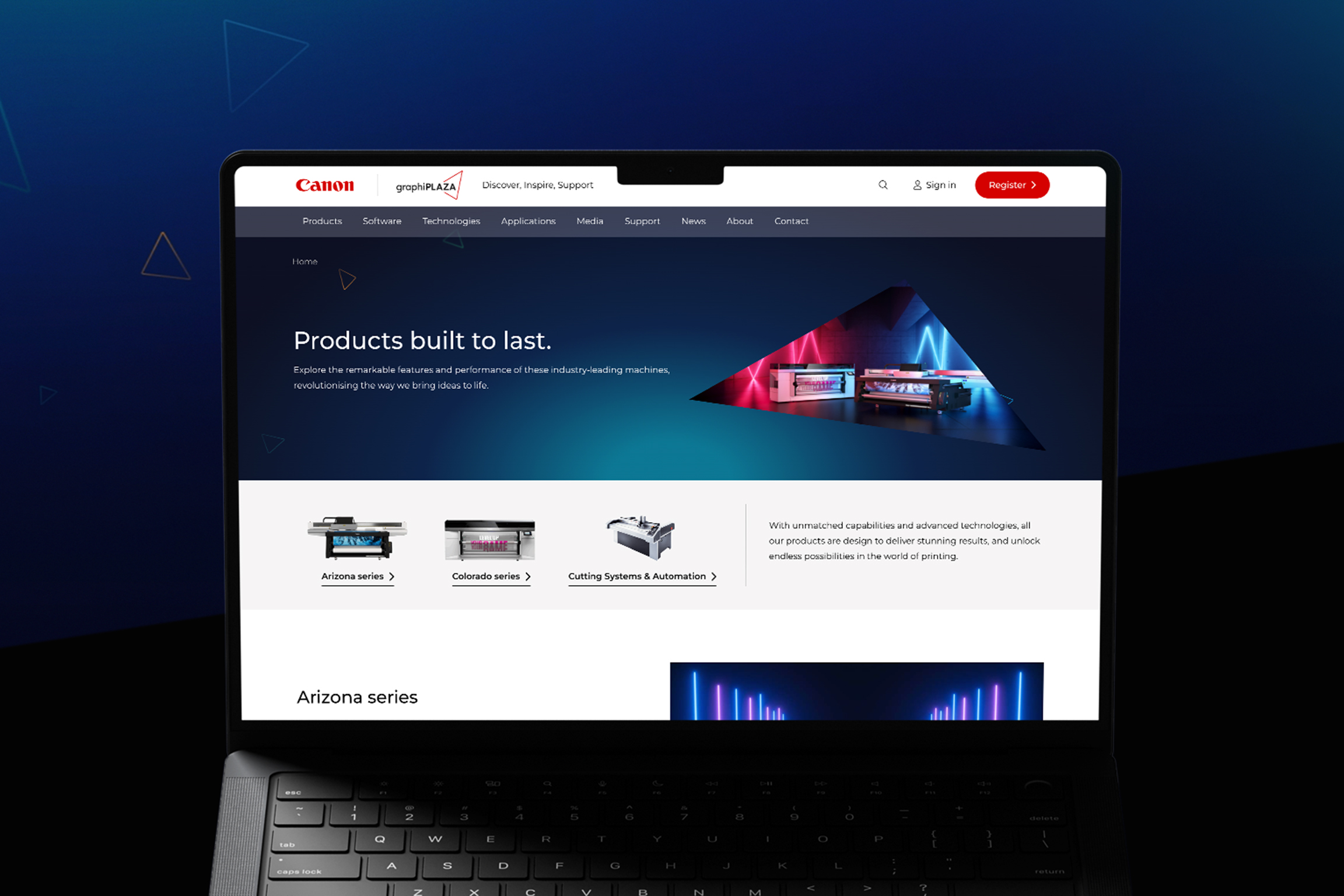
Sales teams and marketing teams should operate from the same plan with shared definitions for leads to improve conversion rates. This shift requires teams to move beyond isolated tactics and towards a shared growth strategy built on insight, alignment, and continuous optimisation. We applied this exact unified digital strategy for Premier Modular, replacing a fragmented infrastructure with a high-performance multisite system that resulted in a 900% increase in average monthly form fills.
To learn more about the relationship between sales and marketing teams, check out our latest whitepaper issue, ‘The Power of Impatience: Lessons from Long-Term B2B Growth‘.

Changes To The Digital Marketing Loop in 2026 to Drive Growth
- Existing customers are the biggest source of sustainable growth
- Marketing now supports customer success with education, storytelling, and proof of value
With our expert experience in B2B growth marketing, here’s our take on where 2026 growth marketing efforts will take us:
Dark Social and Decision Making
Most B2B buying decisions happen in private spaces such as WhatsApp or DMs that Google Analytics can’t track. This is “Dark Social.”
Analytics and reporting are essential for improving your marketing program over time. Let’s not forget that over 60% of buyers check out new service providers on social media. So no, social media posts won’t be abandoned, and email marketing shouldn’t be thrown out of the window, but if you only invest in what you can track perfectly, like PPC, you’re missing out on where the real influence happens. In 2026, we have to trust that high-value content, such as lead generation campaigns or thought leadership deep dives are being shared and valued beyond the metrics.
The Data Driven Goldmine in Your CRM
Your best sales team is actually your happy customers. It is five times cheaper to keep and grow an existing client than to find a new one. Upsell and cross-sell opportunities come from understanding usage, pain points, and success moments.
B2B growth marketing in 2026 is as much about retention as it is acquisition. This means nurturing customers as well as nurturing leads, exploring upgrades or complementary services and using those existing success stories as green flags.
Human Content Marketing in a World That Loves Artificial Intelligence
AI is everywhere. It’s generating emails, blogs, captions, taglines, and because of this, “automated” content has become white noise that buyers ignore. Paradoxically, the more AI we use, the more we value human connection.
B2B growth marketing relies heavily on data analytics to inform content strategies and decision-making processes. In 2026, your experts and creatives are the most valuable marketing assets, as they can take data and create real, human insights.
Business Strategy For Longer Sale Cycles and Deeper Relationships
B2B growth marketing focuses on expanding business relationships and revenue sustainably. Sales cycles will be longer, but growth marketing will be more sustainable.
Knowing where you want to go and acquiring a strong strategy is always our first step.
Private communities and small in-person events will be critical for deep relationship building in B2B marketing, such as leadership events or networking. Account-Based Marketing (ABM) focuses on high-value accounts by delivering personalised marketing campaigns tailored to key decision-makers. Account-based marketing has become one of the most popular and profitable B2B marketing strategies, with 86% of practitioners saying it improves win rates.
If you want the lead in 2026, you have to work for it.
To Conclude: Where is Real Growth Marketing in 2026?
B2B lead generation is a process managed by sales and marketing professionals. By combining teams, sharing insights and utilising outbound/ inbound marketing efforts at each touch point, existing customers will feel nourished with a longer customer lifetime, new paying customers will feel seen and pushed through the marketing funnel, and your marketing strategy will answer questions from your sales team.
If you’re looking for a refresh on B2B growth marketing as we move into the new year, get in touch with our team.
B2B Growth Marketing Frequently Asked Questions
-
‘Silo marketing efforts’ are similar to a relay race, where teams drop marketing-qualified leads, and the sales team picks it up. ‘Loop marketing’ uses shared insights and data-driven collaboration to make each part smooth and a continual experience for the buying process.
-
Expansion revenue is the most sustainable way to grow, so when marketing supports customer success, they aren’t just “supporting a client”; they are actively marketing to the next upsell or renewal. It is significantly more cost-effective to grow a happy client than to hunt for a new one, reducing the customer acquisition cost.
-
Start with the data. Align both teams around a single source, for example, a well-integrated CRM. When sales and marketing teams are looking at the same dashboard and are incentivised by the same sustainable revenue growth goals, the silos naturally begin to crumble and form a loop.
-
It doesn’t entirely replace it, but it becomes the primary strategy for high-value accounts. While traditional lead gen fills the top of the funnel, ABM allows sales and marketing to swarm specific companies with personalised experiences. This integrated approach ensures that both broad lead generation and targeted account focus work together to maximise growth and engagement.
-
With a better understanding, AI can be used strategically, so that your content marketing isn’t stiff and lacklustre. Instead of using it for messaging, use artificial intelligence for mechanics. Data analysis, lead scoring and initial research can be handled by AI. In the sea of marketing automation white noise, a unique human perspective is your strongest competitive advantage.